
Categories
HomeownersPublished December 3, 2025
How to Prepare Your Home for Winter in Hampton Roads (Without Overdoing It)

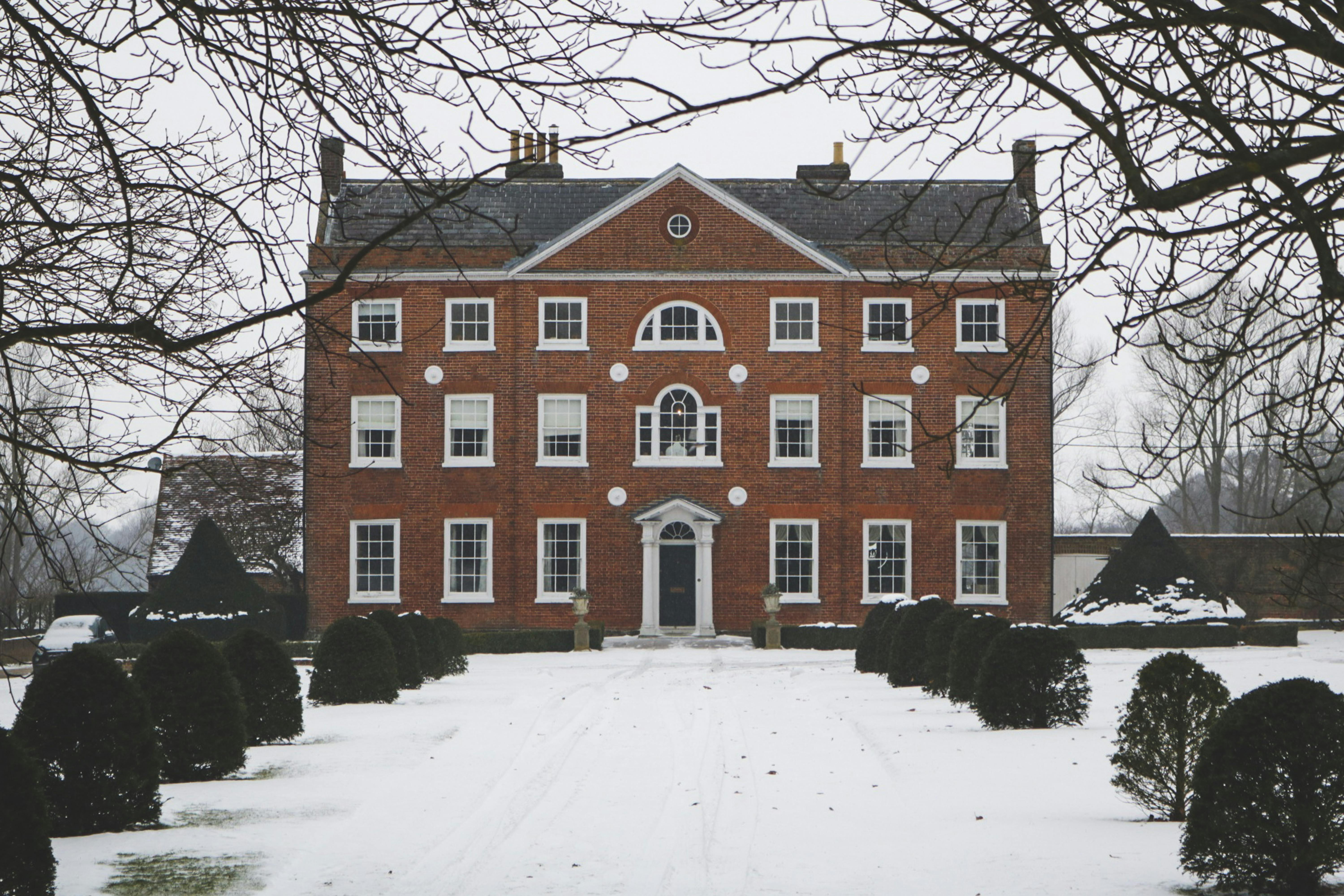
Winter in Hampton Roads: Mild — but Not Maintenance-Free
If you’ve lived in Hampton Roads for a while, you know our winters don’t usually bring piles of snow. Instead, we get temperature swings, damp air, nor’easters, and the occasional hard freeze — and those conditions can be tough on a home if it isn’t ready.
The good news? A little preparation now goes a long way toward preventing leaks, burst pipes, and rising energy bills.
Let’s walk through the essentials — step by step.
1. Give Your Home a Quick Energy Checkup
Because winters are moderate here, many homeowners overlook insulation and sealing — but even small drafts can drive up heating costs on cold nights.
Start with the basics:
- Seal gaps around windows, doors, and electrical outlets with caulk or weatherstripping.
- Check attic insulation. If you can see the joists clearly, you likely need more.
- Reverse your ceiling fans to rotate clockwise on low, pushing warm air back down.
- Schedule an HVAC tune-up. Heat pumps are common locally and work best when serviced annually.
💡 Pro tip: A programmable or smart thermostat helps manage those warm-afternoon / chilly-night swings we get all winter.
2. Protect Your Pipes From Surprise Freezes
We don’t get long freezes — but the rare ones we do get cause the most damage.
- Insulate exposed pipes in garages, crawl spaces, and exterior walls.
- Disconnect garden hoses and add insulated faucet covers.
- Locate your main water shutoff, so you’re ready in an emergency.
- During freeze warnings, open cabinet doors under sinks against exterior walls and let faucets drip slightly.
A few inexpensive pipe wraps can prevent thousands of dollars in repairs.
3. Prepare for Nor’easters and Coastal Storms
Winter storms here tend to bring wind, rain, and tidal flooding rather than snow.
- Clean gutters and downspouts so water flows away from your foundation.
- Trim weak tree branches near your roof and driveway.
- Test your sump pump (if you have one).
- Keep a small emergency kit: flashlights, batteries, bottled water, and blankets.
Even one weekend nor’easter can test your drainage — staying ahead of it matters.
4. Inspect the Roof and Exterior
Coastal humidity and salt air slowly wear surfaces down.
- Look for missing or cracked shingles.
- Check the attic for wet spots or stains after rain.
- Seal small foundation cracks to keep moisture out.
- Refresh exterior caulking and paint where needed to prevent wood rot.
A quick roof check in December beats climbing up there during a February storm.
5. If You Use a Fireplace, Make Sure It’s Safe
Even occasional use requires maintenance.
- Schedule a professional chimney inspection and cleaning.
- Use a sturdy screen or glass doors.
- Store firewood off the ground and away from the house to reduce pests.
Nothing ruins a cozy night faster than a smoky room or chimney issue.
6. Don’t Forget Outdoor Spaces
Our winters are mild enough that we still get outside, but cold snaps can still cause damage.
- Winterize lawns and remove heavy debris so grass rebounds in spring.
- Bring delicate plants indoors, or wrap them during freezes.
- Cover patio furniture and store cushions.
- Drain hoses and shut off irrigation lines where possible.
Think of it as putting the yard into “sleep mode” — ready to wake up quickly when spring arrives.
7. Add a Few Comfort Upgrades
You don’t need major renovations to feel warmer and cozier.
- Draft stoppers for older doors
- Thermal or heavier curtains
- Extra throws and blankets
- Entry mats and boot trays to control winter mud and moisture
Small upgrades, big comfort.
Final Thoughts: Prepare Smart, Not Extreme
In a moderate climate like Hampton Roads, winter prep isn’t about surviving blizzards — it’s about staying ahead of moisture, sudden freezes, and changing temperatures.
With a weekend or two of simple maintenance, you can:
- Prevent costly repairs
- Improve comfort
- Reduce energy bills
- Protect your biggest investment — your home

Robert Rogers
Operator | Distinctly Real Estate | Real Broker LLC | PLACE
or another way